Old comics 7 min read
Are Old Comic Books Worth Money? What Owners Should Know
Some old comic books are worth money. Many are not worth as much as their age suggests. The difference comes down to which book it is, which printing it is, what shape it is in, and whether collectors want it.
By Evan Little Egg Harbor Township, NJ
Finding a stack of old comics feels like it should mean something. The paper is yellowed, the cover prices are startlingly low, and the art style looks like it belongs to another era. It is reasonable to wonder whether those books are valuable. The honest answer is that age opens the question but does not answer it.
This article explains how comic book eras are commonly described, why historical significance and the value of a specific copy are different things, how to read the details printed on a comic, and how to approach old books carefully before anyone reviews them.
A quick map of comic book eras
Collectors often group American comics into eras, usually called the Golden, Silver, Bronze, and Modern Ages. The Library of Congress research guide on comic book history (opens in new tab) uses these ages to give rough chronological context, and it is a good place to get oriented. The boundaries are loose, and different sources draw them differently.
The Library of Congress page on the Golden Age of comics (opens in new tab) describes that era as generally beginning with Action Comics #1 in 1938 and continuing into the 1950s. It also notes that the period included many genres, not only superheroes. Crime, romance, humor, western, and other kinds of comics were all part of the landscape, which is worth remembering when you look through an older collection.
Eras are context, not price tags
Knowing that a book comes from a celebrated era tells you about history. It does not tell you what a particular copy is worth. A book can belong to an important period and still be a common issue, in poor condition, or of limited interest to collectors. The era is a starting point for the conversation, not the conclusion.
Reading the details printed on a comic
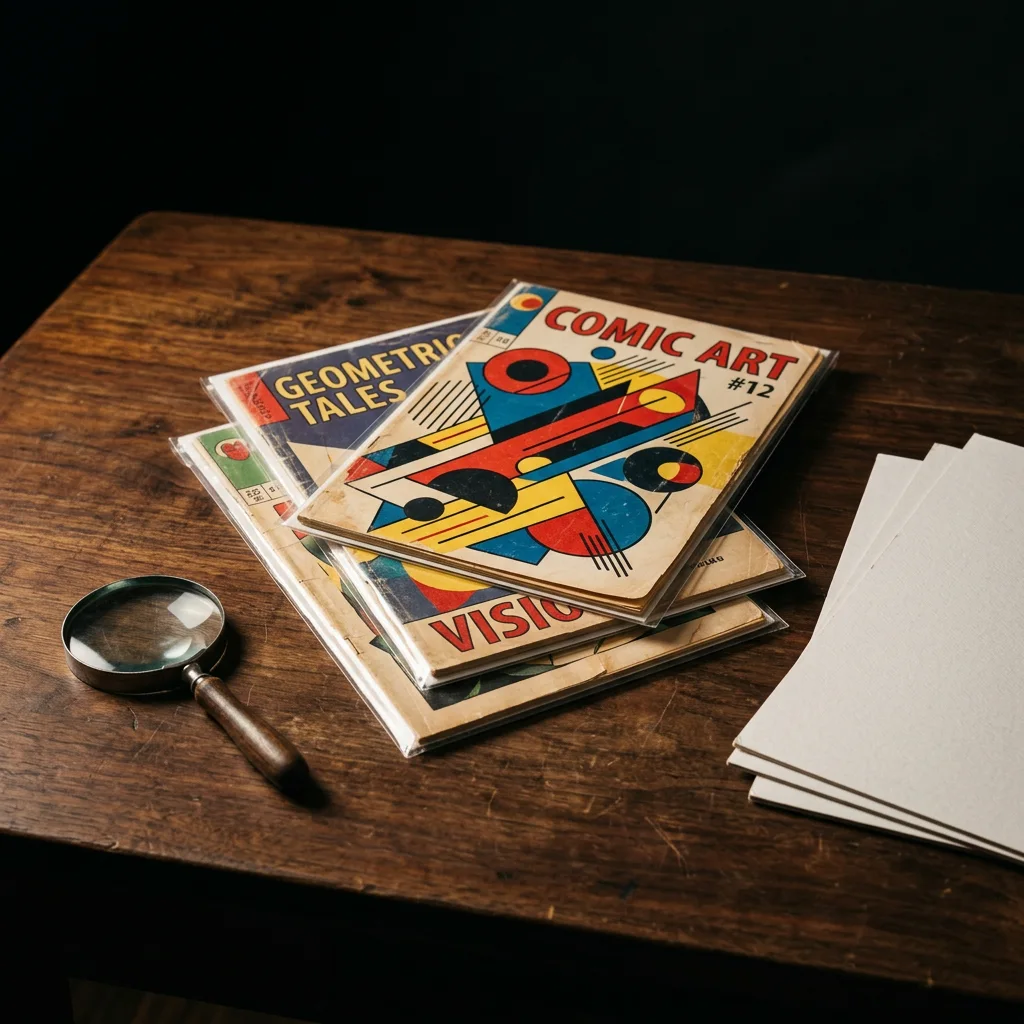
Most of what you need to identify a comic is printed on it. Start with the cover: the title, the issue number, the publisher's logo, the cover price, and often a cover month or date. Then look inside, usually at the bottom of the first page or the inside front cover, for the indicia. That small block of fine print typically lists the publisher, the title, the issue number, publication details, and copyright information.
If a book is fragile, do not force it open to read the indicia. Cover information is often enough to start, and a buyer can check the rest carefully.
Originals, later printings, and reprints
This is where many owners get surprised. Popular stories are frequently reprinted, sometimes many times. A comic can carry the same cover image and the same story as a famous original, yet be a later printing, a facsimile, a reprint edition, or a collected volume published years afterward.
- Check the copyright year and publication information in the indicia against the cover date.
- Look for words like "reprint," "facsimile," "second printing," or similar wording on the cover or inside.
- Notice cover prices and paper quality that seem inconsistent with the claimed age.
- Be cautious with collected editions and anniversary reissues, which reproduce older material in newer formats.
There is no single universal trick, such as one barcode rule, that identifies every original or reprint across every publisher and decade. Printing conventions changed over time and differed between companies. If something seems unclear, describe what you see and let a buyer look more closely.
Modern reprints are not originals
A modern reprint of a classic issue can be a nice item to own, but it is not the first printing, and it should never be described as one. Being clear about this protects you and keeps any conversation with a buyer honest from the start.
Condition matters more with age
Older comics were printed on inexpensive paper that was never intended to last. Decades of handling, storage, and climate leave their mark: tanned or brittle pages, spine wear, detached covers, tears, and stains. CGC's published 10-point grading scale (opens in new tab) shows how carefully condition is distinguished when books are professionally assessed, and it is a useful reference for understanding what graders look at.
Do not assign grades to your own books based on the scale. Grading takes practice and an in-hand examination, and estimates made from memory are often optimistic. Instead, describe condition plainly: whether the cover is attached, whether pages look white, cream, or tan, and any tears, creases, or stains you can see.
Scarcity versus demand
Two ideas get blended together when people talk about old comics. Scarcity is about how many copies survive, especially in good condition. Demand is about how many people want them. A valuable book generally needs both. Scarce books with little demand may be hard to sell, and common books with strong demand may still be easy to find at reasonable prices.
Demand tends to center on things like significant first appearances, notable creators, important storylines, and characters with lasting popularity. It also changes over time, which is why the same issue can attract more or less interest in different years.
How to spot potentially collectible books
You do not need to be an expert to notice books worth mentioning. While being careful with fragile copies, look for:
- Early issue numbers of long-running titles.
- Cover dates noticeably older than the rest of the collection.
- Low printed cover prices compared with other books in the stack.
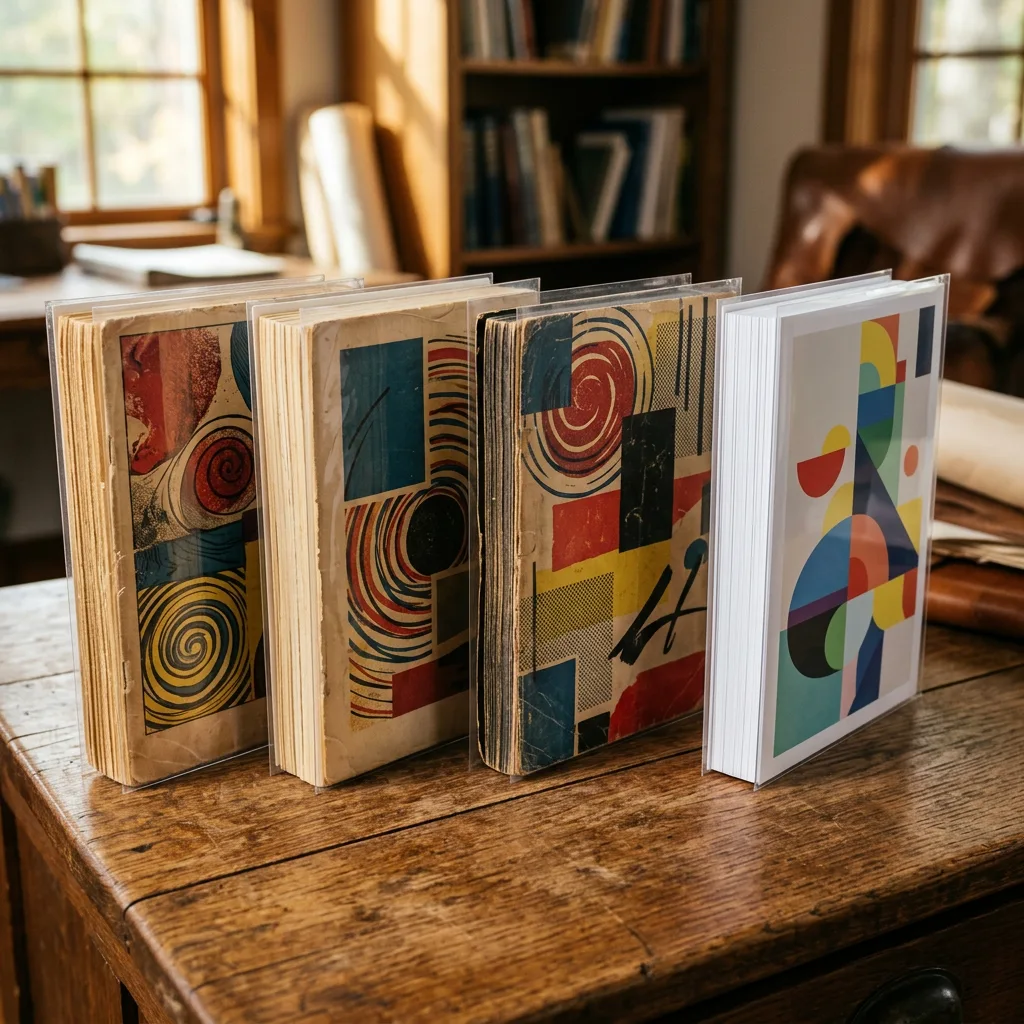
- Books that seem to have been stored more carefully than the others, such as in bags with boards.
- Professionally graded books in sealed holders.
None of these guarantee value. They are simply signals that a book deserves a closer look during a conversation with a buyer.
Handle old comics gently
Older paper is more fragile than it looks. Support books from underneath, avoid rolling or bending them, and keep them out of direct sunlight, hot attics, and damp basements. Do not tape loose covers or try to clean stains. Leaving a book as it is will always be safer than a well-meant repair.
When to talk to a buyer
If you have old comics and want to know whether they are worth selling, a conversation is the practical next step. Vigilante Comics buys vintage comic books and DC comic books from every era, as well as entire comic book collections. You do not need anything graded or sorted. Share what you can see on the covers, the rough dates, and how the books were stored, and Evan will review it and talk it through with you. You can start on the contact page.
Ready for a real conversation?
Tell Evan what you have
Vigilante Comics buys comic books and collections across southern New Jersey. Buyer only, no storefront. Share a rough description and Evan will follow up personally.
Questions owners ask
Frequently Asked Questions
Is every comic from the 1940s or 1950s valuable?
No. Era gives historical context, but a specific copy's value depends on which book it is, its condition, how many survive, and collector demand.
How can I tell if my comic is a reprint?
Check the indicia and copyright information against the cover date, and look for wording such as reprint or facsimile. Conventions vary by publisher and decade, so when unsure, describe what you see.
Should I grade my old comics before selling?
Not necessarily. Grading has costs and waiting time. You can talk with Vigilante Comics about ungraded books first.
Does Vigilante Comics buy old comics that are damaged?
Vigilante Comics wants to hear about older comics in all conditions. Describe the damage honestly and Evan will talk it through with you.