Collection value 7 min read
How Much Is My Comic Book Collection Worth?
It is the first question almost every owner asks, and the honest answer is that it depends on a handful of specific factors. Understanding them will not turn you into an appraiser, but it will help you have a far more useful conversation with any buyer.
By Evan Little Egg Harbor Township, NJ
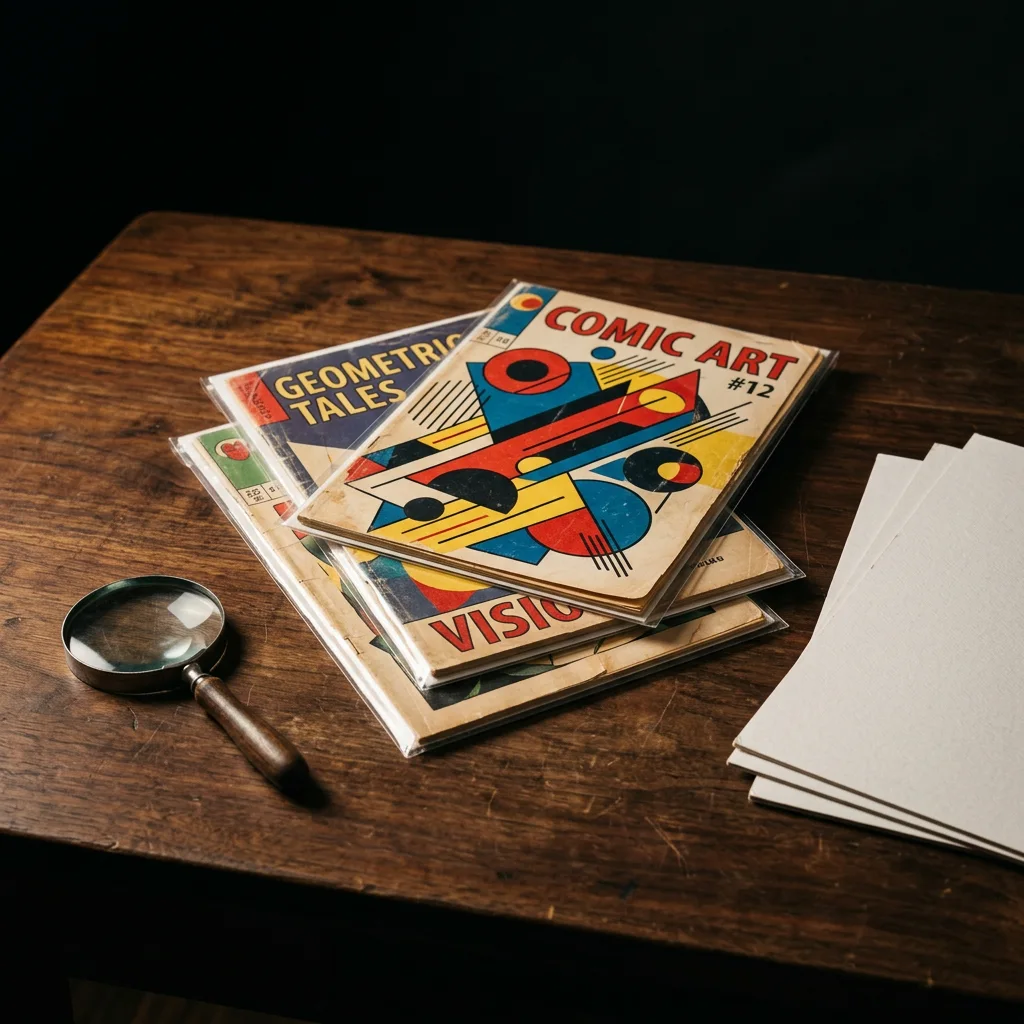
A move, an inherited collection, or a long box rediscovered in a closet can prompt the same question: what is it worth? The answer depends on the individual books and how their identity, condition, and buyer demand combine.
Here are the factors to understand before contacting a buyer. There are no dollar estimates here: without identifying the specific books, a figure would be speculation.
Start with identity: what exactly do you have?
Before condition or rarity can mean anything, a book has to be identified correctly. That means the title, the issue number, the publisher, and, where it matters, which printing or edition it is. Two copies that look nearly identical on the shelf can be quite different once you check the details. A later printing, a reprint collection, or a special edition may share a cover image with an original issue and still be a separate item entirely.
You do not need to identify every book yourself. A rough summary is enough to begin: which publishers you notice, which titles repeat, and the general span of cover dates. If a few books look older or more fragile than the rest, mention them separately. That short description tells a buyer much more than a single total count ever could.
Condition is often the biggest variable
Comic books are paper objects, and paper records everything that has happened to it. Spine stress, creases, corner wear, tears, missing pieces, stains, water damage, writing on the cover, and yellowed or brittle pages all affect how desirable a copy is. Even small differences can separate one copy of a book from another copy of the same issue.
The hobby has a shared vocabulary for this. CGC, one of the major grading companies, publishes its 10-point comic book grading scale (opens in new tab), which describes how defects such as wear and manufacturing flaws distinguish one grade from the next. Reading through it is a good way to understand how carefully condition is judged. Keep in mind what the scale is and is not: it is a description of physical condition, not a price list, and a grade on its own does not tell you what someone will pay.
Describe what you see, not what you hope
Owners sometimes describe a book as "mint" because it has been in a bag for decades. Bags help, but they do not undo wear that happened before the book was bagged, and they do not stop paper from aging. A plain, honest description is more useful: cover attached or loose, any tears or creases you can see, whether the pages look white, cream, or tan, and how the books have been stored.
Restoration and repairs change the picture
Not every change to a comic is wear. Some books have been restored or repaired at some point, sometimes long before the current owner had them. CGC's explainer on comic book restoration (opens in new tab) describes restoration as work that can include adding material to a book, along with practices such as color touch-up, and it also discusses issues like tape and trimming. A buyer or grader will want to know about any of this, and disclosure matters.
There is no single rule for how much restoration affects a particular book, so be wary of anyone who offers one. What is clear is that home repairs made now, such as taping a loose cover or trimming a ragged edge, can complicate a book's assessment rather than help it. If something is damaged, leave it as it is and say so.
Age, rarity, and surviving supply
Age is the factor owners mention most, and it is the one most often misunderstood. An old comic is not automatically valuable. Some older books were printed in large numbers and survive in quantity. Others are scarce because few copies were saved in decent condition. What matters is how many copies exist in a given condition today, compared with how many people want them.
Scarcity also works the other way. A book can be genuinely hard to find and still attract little interest. Rarity without demand does not create value on its own, and a newer book with strong demand can outperform a much older one that few collectors seek.
Demand: who actually wants the book?
Demand is shaped by characters, creators, story significance, first appearances, and broader interest in particular eras or publishers. It also shifts over time. A title that draws attention one year may cool off the next, which is one reason static price lists can mislead.
If you want a sense of the market for a specific book, the most meaningful evidence is what comparable copies have actually sold for, in similar condition, not what sellers are asking. Asking prices on listing sites show what someone hopes to get. Completed sales show what a buyer was willing to pay. Even then, matching condition and edition correctly is essential, or the comparison tells you very little.
Should you get your comics graded first?
Professional grading can be useful for certain books, but it is not a required first step, and it is rarely sensible for an entire collection. Grading involves fees, shipping, insurance, and waiting time, and the outcome is not guaranteed to be the grade you expect. For many common books, those costs can exceed any benefit.
A practical approach is to talk with a buyer first. If a handful of books look like candidates for closer attention, that will come up in the conversation. Vigilante Comics reviews ungraded collections all the time, and you do not need any graded books to start a conversation about selling your comics.
Why a collection offer differs from a retail total
It is tempting to add up the highest prices you can find for each book and treat that as the collection's value. That number does not reflect how collections are bought. A buyer taking an entire collection is also taking on the time to sort, identify, and assess every book, plus the risk that some books will be in lower condition than described or attract little interest. A collection offer accounts for that work and risk, which is why it will differ from a sum of individual retail listings.
The advantage of selling a collection as a whole is simplicity. You avoid months of listing, packing, and shipping individual books, and you deal with one person. For many owners, especially those handling inherited comic collections, that tradeoff is exactly what they want.
Protect what you have before anyone reviews it
Whatever your collection is worth, careless handling can only lower it. The Library of Congress offers guidance on caring for comic books (opens in new tab) that recommends handling them with clean hands on a clean work surface and keeping food and drink away. It also advises against exposure to light, heat, and humidity extremes. Those habits are worth following now, before anyone looks at the books.
- Leave bagged books in their bags and boxed books in their boxes.
- Move boxes out of a hot attic or damp basement if you can do so safely.
- Keep boxes off bare concrete floors.
- Do not clean, press, tape, or repair anything.
- Avoid pulling fragile books out repeatedly just to look at them.
What to share when you reach out
A good first message does not need to be long. Include roughly how many books or boxes you have, the publishers and titles you notice, the span of cover dates, how the books have been stored, and any obvious damage. Mention whether any books are professionally graded. If you have vintage comic books or a long run of Marvel comic books, say so.
From there, Evan reviews what you shared and talks it through with you. That conversation is where specifics come in, based on the actual books rather than a general rule. If you are ready to learn more about the process, the comic book collections page explains how whole-collection buying works.
Ready for a real conversation?
Tell Evan what you have
Vigilante Comics buys comic books and collections across southern New Jersey. Buyer only, no storefront. Share a rough description and Evan will follow up personally.
Questions owners ask
Frequently Asked Questions
Can you tell me what my collection is worth from a description?
A description helps Evan understand what you have and decide on next steps, but value depends on identifying and seeing the actual books. Vigilante Comics does not quote prices from general descriptions alone.
Are older comic books always worth more?
No. Age can matter, but condition, surviving supply, and buyer demand matter more. Many older books exist in quantity, while some newer books are in strong demand.
Do I need to get my comics graded before selling?
No. Grading has costs and waiting times and is rarely practical for a whole collection. You can talk with Vigilante Comics about ungraded books.
Should I clean or repair damaged comics first?
No. Leave books as they are. Home repairs such as tape or trimming can complicate a book's assessment. Describe the damage honestly instead.